
Sales, service, field operations, and marketing on one record — so the customer stops repeating themselves and your teams stop guessing.
You don't have to buy the suite — most clients start with Sales or Customer Service and add the rest once the first is genuinely used.
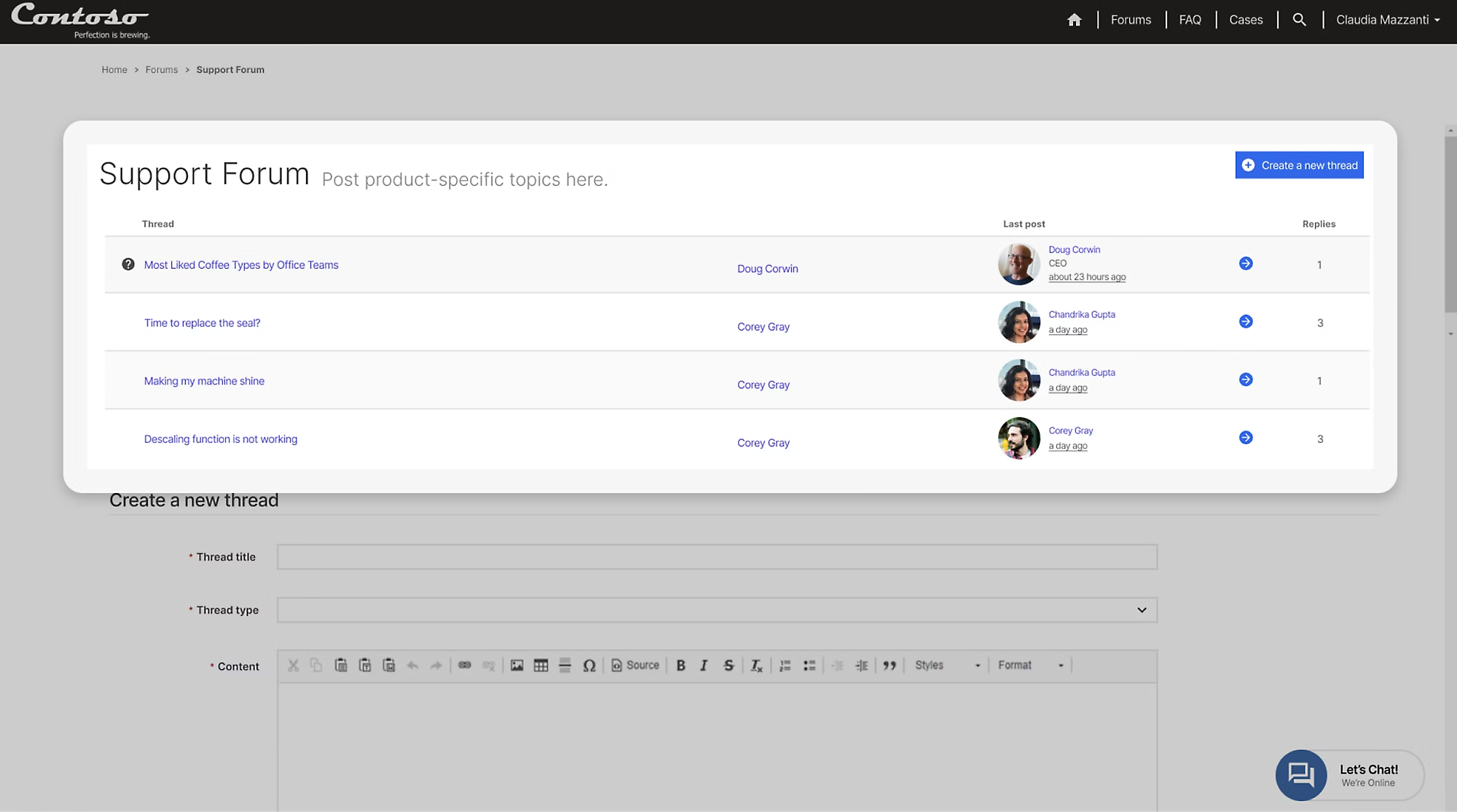 SCREENSHOT · SALES PIPELINE
Pipeline management with scoring that reflects real engagement — not whatever the rep felt like typing on a Friday.
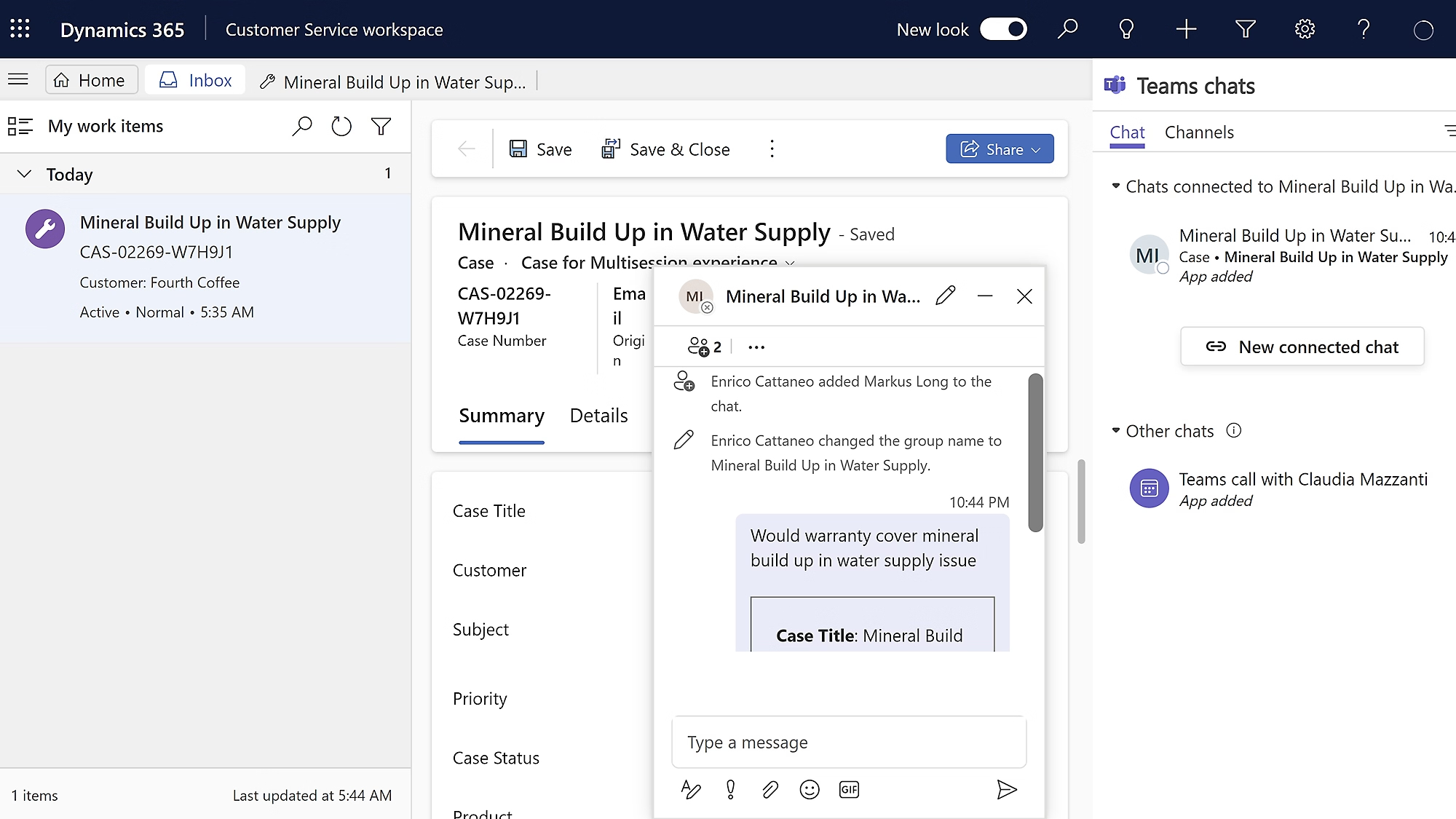 SCREENSHOT · AGENT WORKSPACE
One workspace where an agent handles voice, chat, SMS, WhatsApp and social without losing the thread mid-conversation.
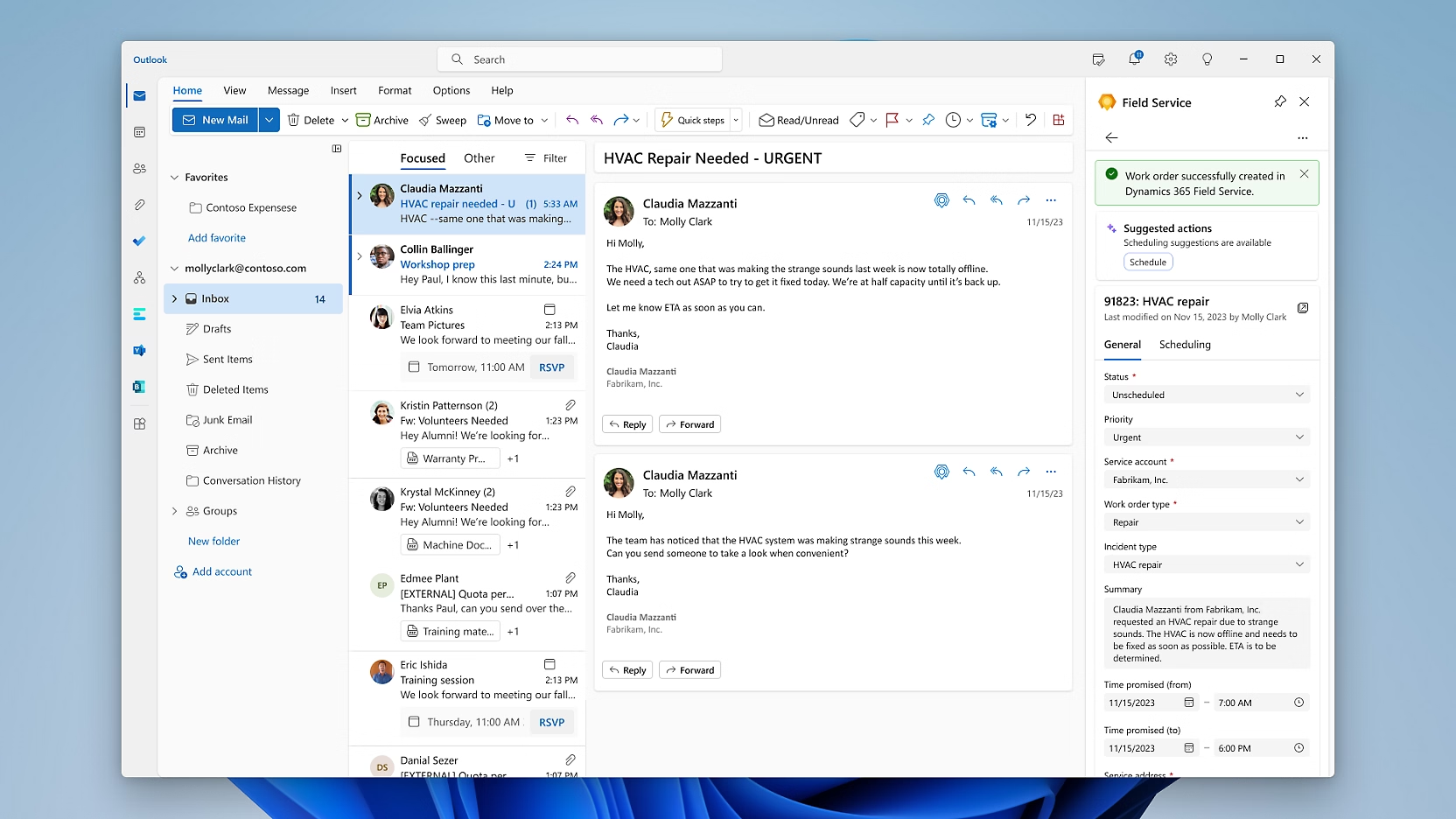 SCREENSHOT · DISPATCH BOARD
The right engineer, at the right site, with the right part — and the full asset history already on their phone.
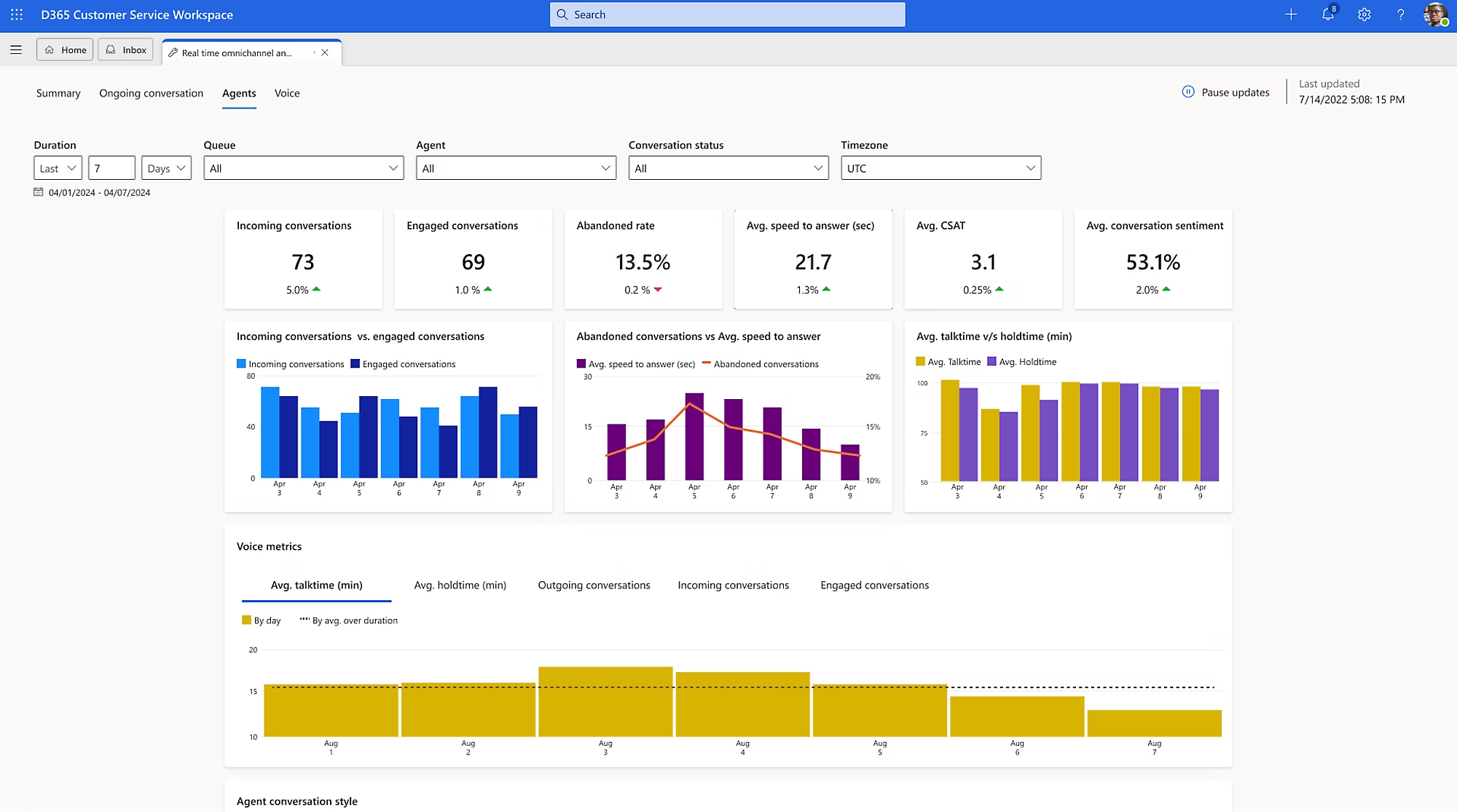 SCREENSHOT · UNIFIED PROFILE
The intelligence layer under the other three — unifying fragmented data into one profile, then orchestrating journeys off real behaviour.
Three we deploy most often — and what they actually do when nobody's watching.
They're genuinely useful and genuinely capable of embarrassing you in front of a customer. We deploy narrowly first — one intent, clear escalation, a human reviewing transcripts — and widen only once behaviour is proven. Anyone promising to automate your whole contact centre in six weeks is selling you a support problem.
Most CRM disappointment lives in the seam between front office and back office. If you run Business Central or F&O, that seam disappears.
Worst adoption record of any enterprise software category — and it's almost never the technology. Open each one to see what we do instead.
Twenty mandatory fields exist because a director wanted a chart. Sellers see pure overhead with nothing back, fill it in badly on a Friday — and the chart is wrong anyway.
Duplicate accounts, contacts who left three years ago, dead email addresses. Users hit that in week one, conclude the system can't be trusted, and quietly go back to their spreadsheet.
Sales, service, field and marketing all go live on one date. Four teams are simultaneously confused, support is overwhelmed, and it's judged a failure before any of it settles.
The partner left, the internal champion changed role, and eighteen months later it's full of stale records with three competing ways to log the same thing.
Configuring Dynamics is the easy half. Process design, data quality and adoption decide whether it works.
Starting from how your teams actually sell today, not a demo script. First phase covers one team properly.
Off Salesforce, Zoho or on-prem Dynamics without importing a decade of accumulated mess.
Quote-to-order, price list sync, credit status on the record — so front and back office agree.
The part most partners skip. Role-based training, adoption measurement, internal admin enablement.
A working session with a Dynamics CRM consultant — what standard covers, what needs building, and an honest view of what adoption will take.